Feb – Apr 2022 · Role: UI/UX designer · Team: Pamoja product team
Context
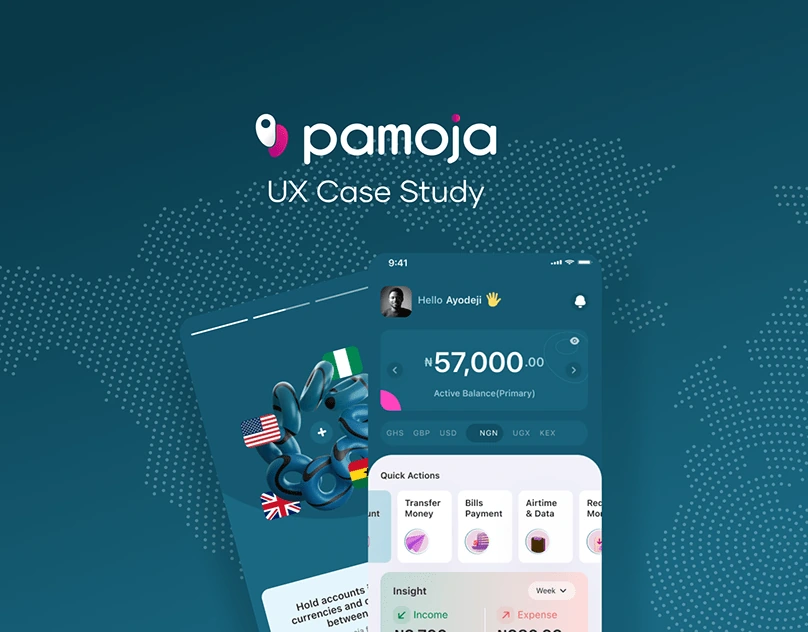
A UX case study for a money-transfer app, from wireframes to final designs.
Pamoja is a payment platform that bridges a person’s daily life and their finances, from local grocery spending to international remittances, so that financial access is a standard rather than a privilege.
Challenge
Technical barriers: constant network issues make even simple transactions feel like a gamble.
User frustration: slow chargebacks after errors leave people without their money for days.
The trust gap: few international transfer options and weak banking services push people toward alternatives.
The stake: without a reliable system, millions stay excluded from the formal economy.
Discovery
I ran qualitative interviews with participants aged 18 to 60, across Gen Z, Millennials and Gen X. A content creator, Zoe Micheals, stressed fast recovery on failed transactions and flows that feel swift and intuitive. We started with simple spend features, but research showed an urgent demand for affordable, accessible payment products delivered responsibly.
Approach
High-security onboarding — BVN verification, a secret Q&A and ID upload, to meet compliance without sacrificing speed.
Four-pillar navigation — Home, Spend, Card and More separate daily utility from longer-term money management.
Paper first — Every screen was drafted on paper to check that information density wouldn’t overwhelm people in high-stress financial moments.
Craft
A palette that signals clarity — A deep teal palette with vibrant status indicators for income and expenses.
More than a transfer tool — Built-in flows for government remittance, bill payments and virtual card creation make it a complete digital wallet.
One tool, start to finish — Designed entirely in Figma for high-fidelity prototyping and smooth handoff.
Impact
3 months — End-to-end design cycle
18–60 — Target age range
Reflection
In fintech, clarity is a security feature: seeing income and expenses summarised accurately in real time builds the trust to move away from cash. Research only matters if it shows up in the interface.
From the process
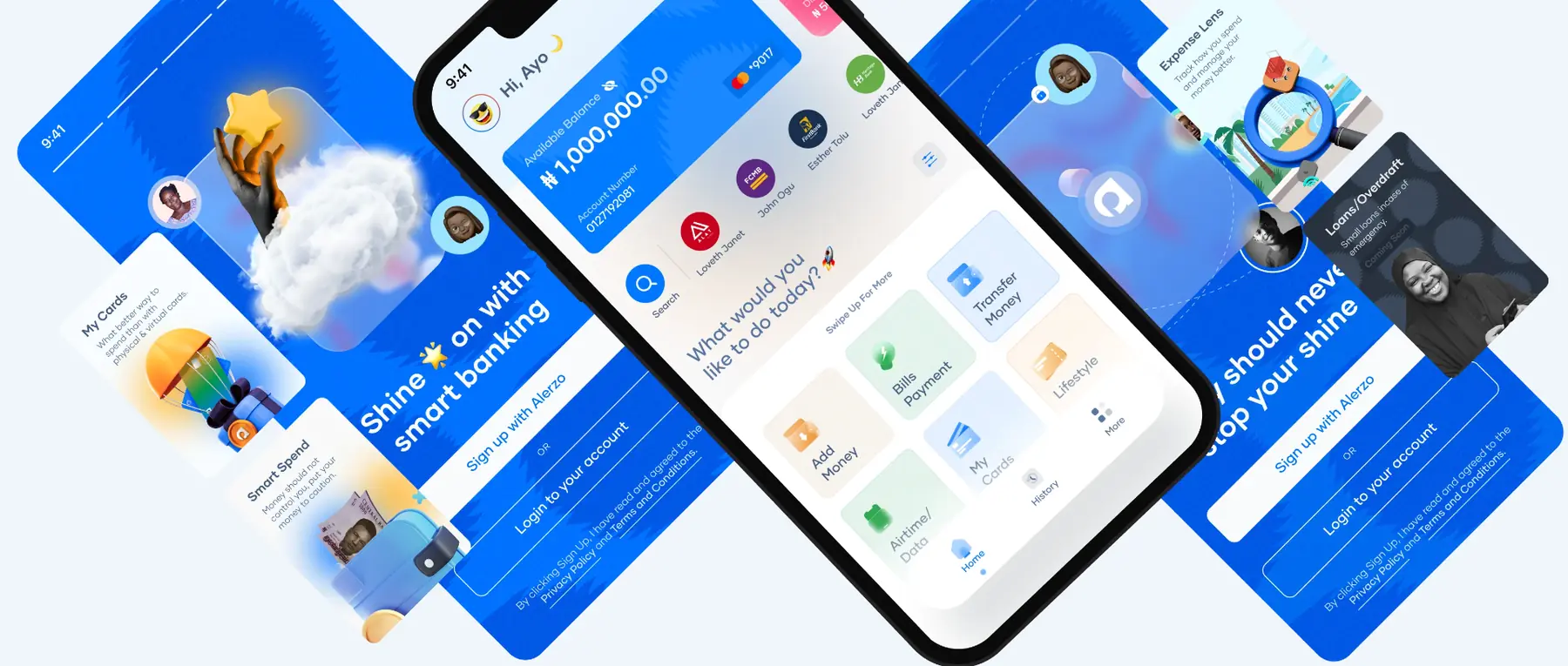
Digital wireframes for the money-transfer flows: cards, balances and a new-account flow.
I’m , a Senior Product Designer and Design Engineer. Ten years across fintech, healthtech, commerce and logistics, from user research to production code.
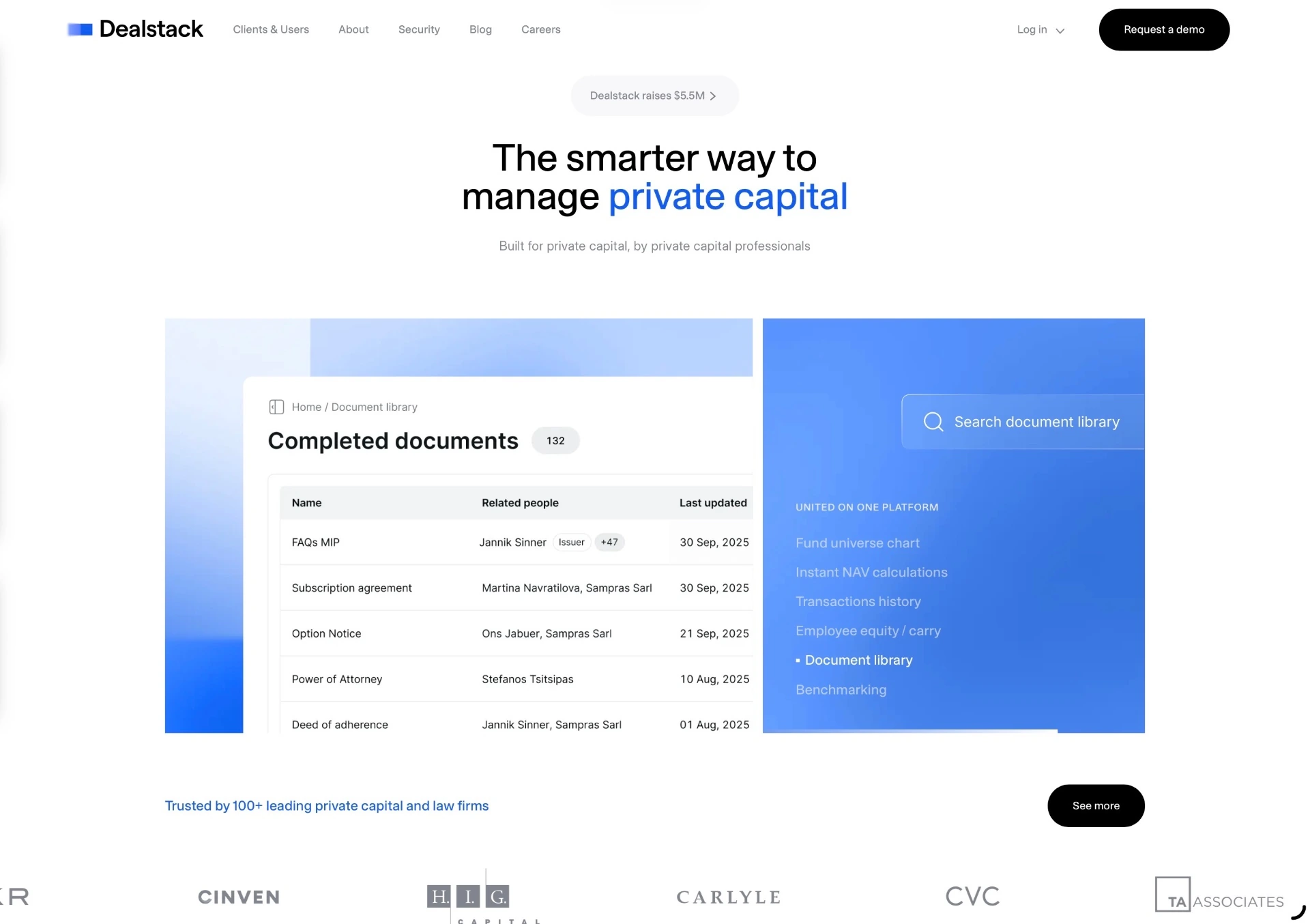
I studied graphic design, led a product design team at Alerzo, and now design and build private capital software at DealStack.
My best ideas come from where products are actually used: market stalls in Lagos and Ibadan, a fund administrator’s spreadsheets, a bank’s support queue. I turn what I find there into clear, calm systems.
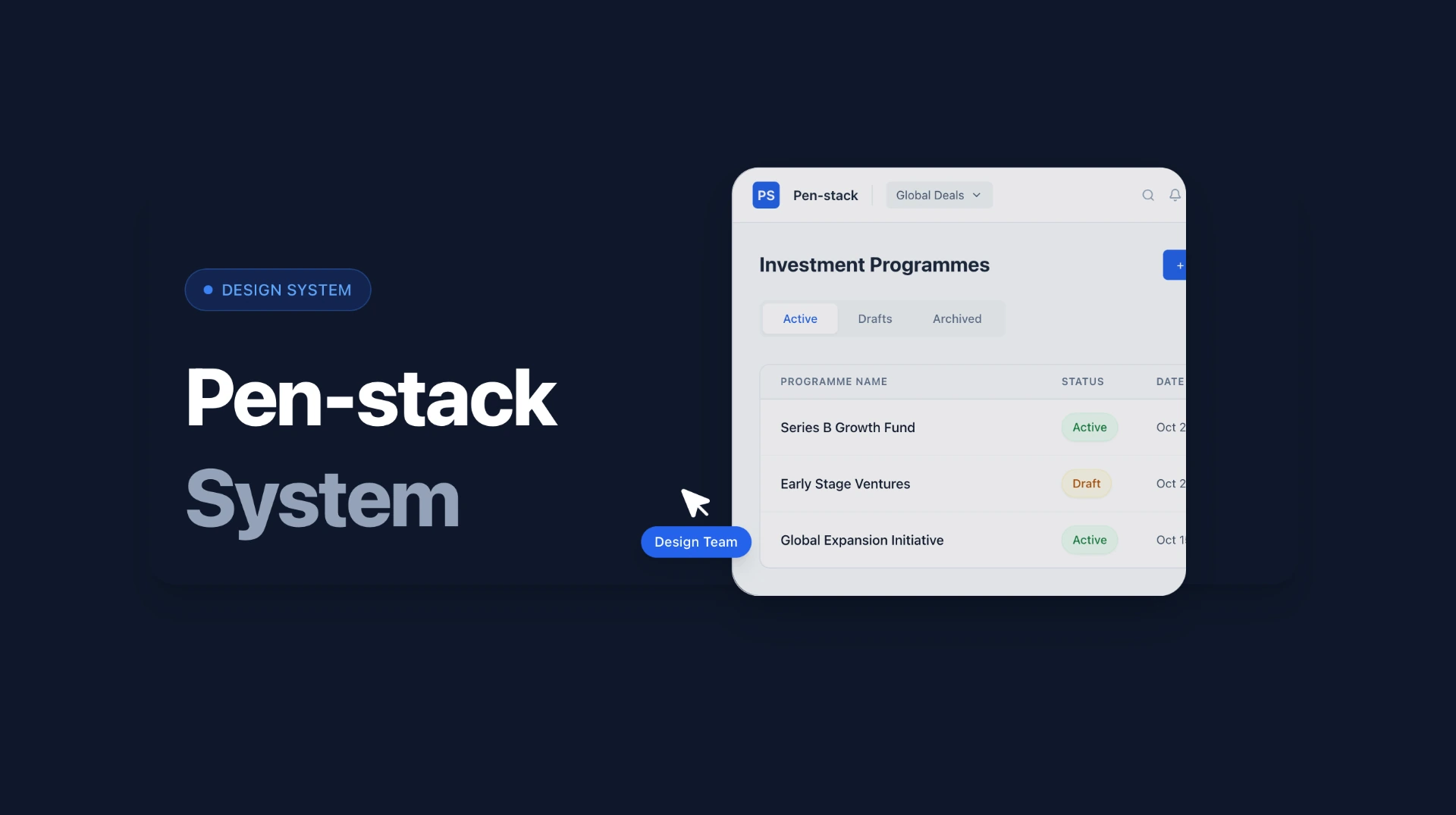
Then I help build them. At DealStack I coded about 90% of our design system in React, so what ships is what was designed.
User research
Interviews, field studies, usability and tree testing. I learn from what people do, not only what they say, and turn it into product decisions.
User interviews · Usability testing · Field research · Journey mapping · Analytics
Product design and systems
End-to-end product design for complex B2B and fintech software: clear flows, sound information architecture and design systems that scale.
Interaction design · Information architecture · Design systems · Prototyping · Accessibility (WCAG 2.1)
Design engineering
I prototype and build in React and TypeScript, so designs are tested against real data and what ships matches what was designed.
Recommendations from my LinkedIn profile, from a manager, a fellow designer and the marketers I’ve shipped with.
“Ayodeji’s commitment to excellence is evident in every project he undertakes. He consistently delivers high-quality designs that exceed expectations, making him an invaluable team member.”
“Working alongside Ayo was truly inspiring. His leadership in product design, coupled with his ability to bridge design and engineering, elevates the entire team’s output.”
AAAbdul-Lateef AkinyemiSenior Product Designer
“Ayodeji is an exceptional team player who brings creativity and strategic thinking to every collaboration. His ability to translate complex problems into elegant solutions is remarkable.”
“Ayo is a creative mind who consistently pushes boundaries. His design work is not just visually stunning but strategically sound, always keeping the end user in focus.”
POPromise OsigweMarketing Communications
Beyond the day job.
Mentoring, speaking, and a few companies and products of my own.
Speaking
Tech Rise Africa, to 1,000 people. DSGN Discussions, to 400+. On design leadership, product systems and creative practice.
Companies I’ve founded, and products I build in my own time.
Empocreat (The EOC) builds digital products, brands and experiences with clarity and purpose. I founded it in 2016 and have directed creative strategy for 20+ brand and product projects across fintech, education, consumer tech and e-commerce.
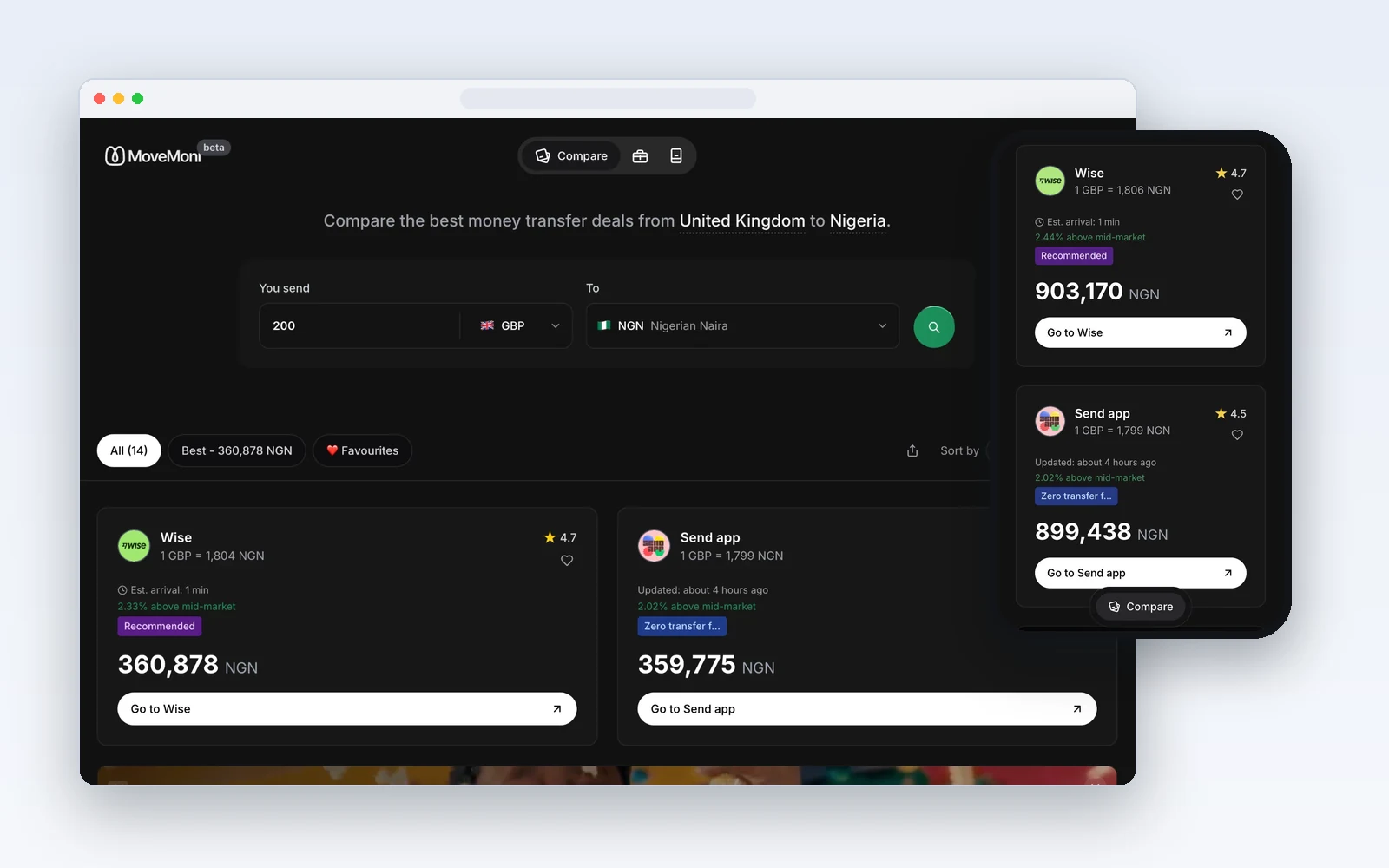
MoveMoni compares exchange rates and fees across international money-transfer providers in real time, so people can see who is cheapest for their route before they send. Users save 3–5% on average on international transfers.
Clariti is a personal finance companion that helps people track spending, budget smarter and take control of their money in one simple app. It started inside MoveMoni and now stands on its own.
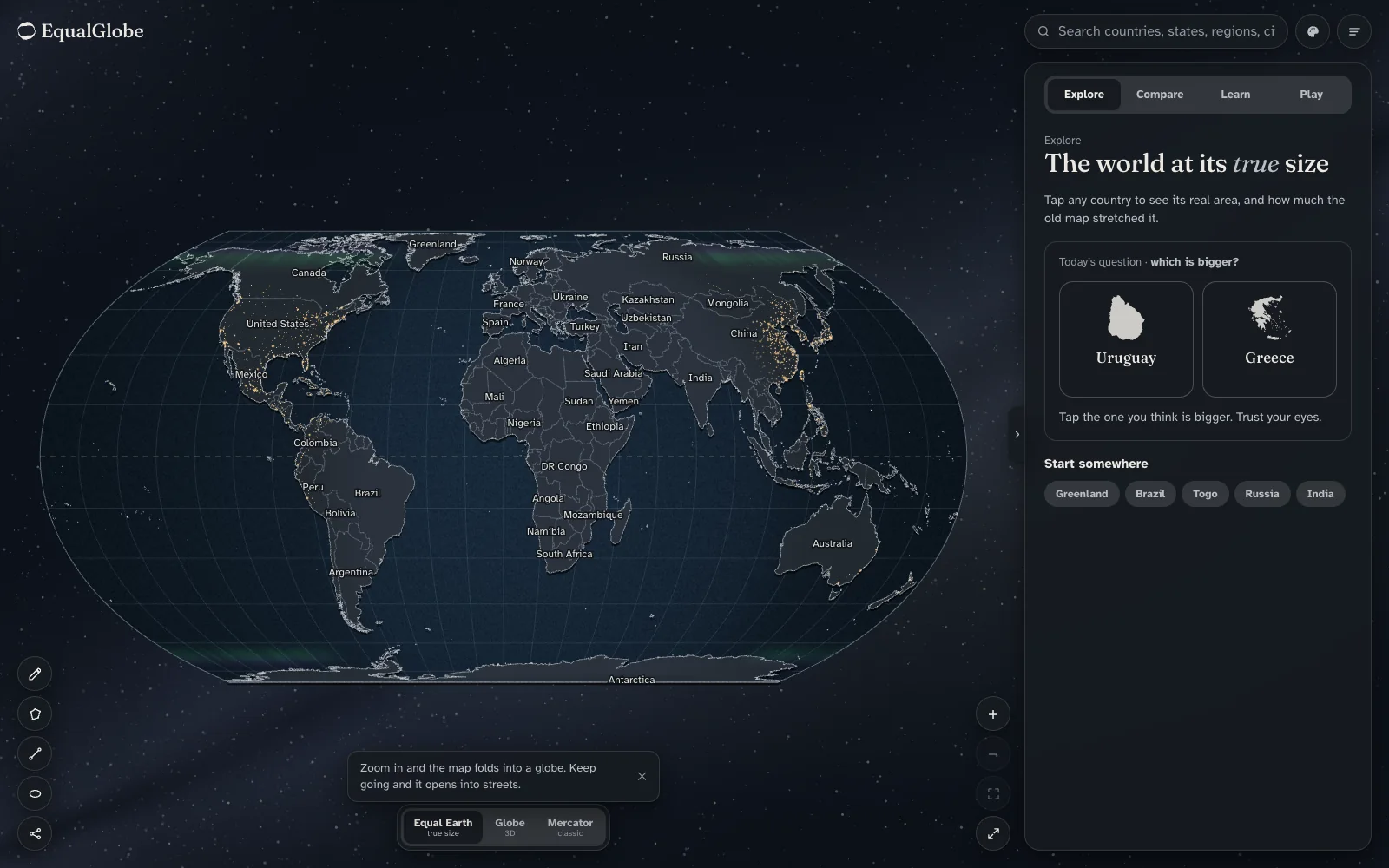
A free, educational world map built on the Equal Earth projection. It folds into a globe, shows what Mercator distorts, and lets you compare countries at their real size. Made for classrooms first, after the UN General Assembly voted in September 2026 to encourage equal-area maps.
Cleap turns a product’s code, database, infrastructure and integrations into one live, zoomable map, so people who build products without reading code can still see how everything fits together.
An open benchmark for one question: given a piece of code, how good is a plain-English description of it? Labels are scored on accuracy, specificity and whether someone who can’t read code would actually understand them. It grew out of Cleap and is at the scaffold stage: a seed set of samples and the scoring pipeline, with real model runs still to come.
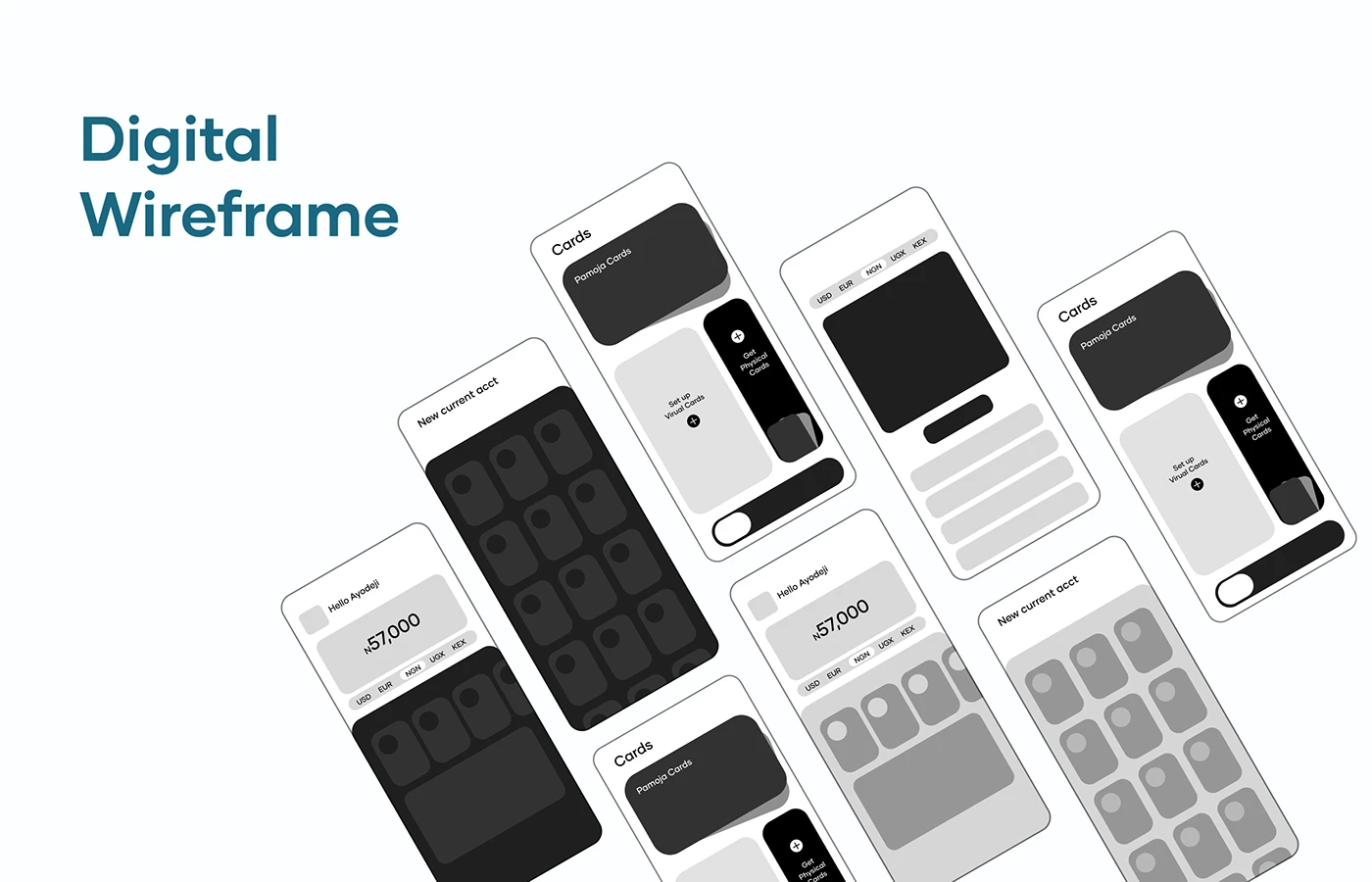 Digital wireframes for the money-transfer flows: cards, balances and a new-account flow.