Turning a manual fund close into software that top private-capital firms use and pilot.
Aug 2023 – Present · Role: Senior Product Designer · Private capital infrastructure for GPs and LPs · Team: Sole product designer, working with 2 product managers and 10+ engineers over time · Scope: All product design: managed investment programmes, cap table, waterfall, document signing and enterprise auth, plus investor onboarding, the design system and the marketing site
Context
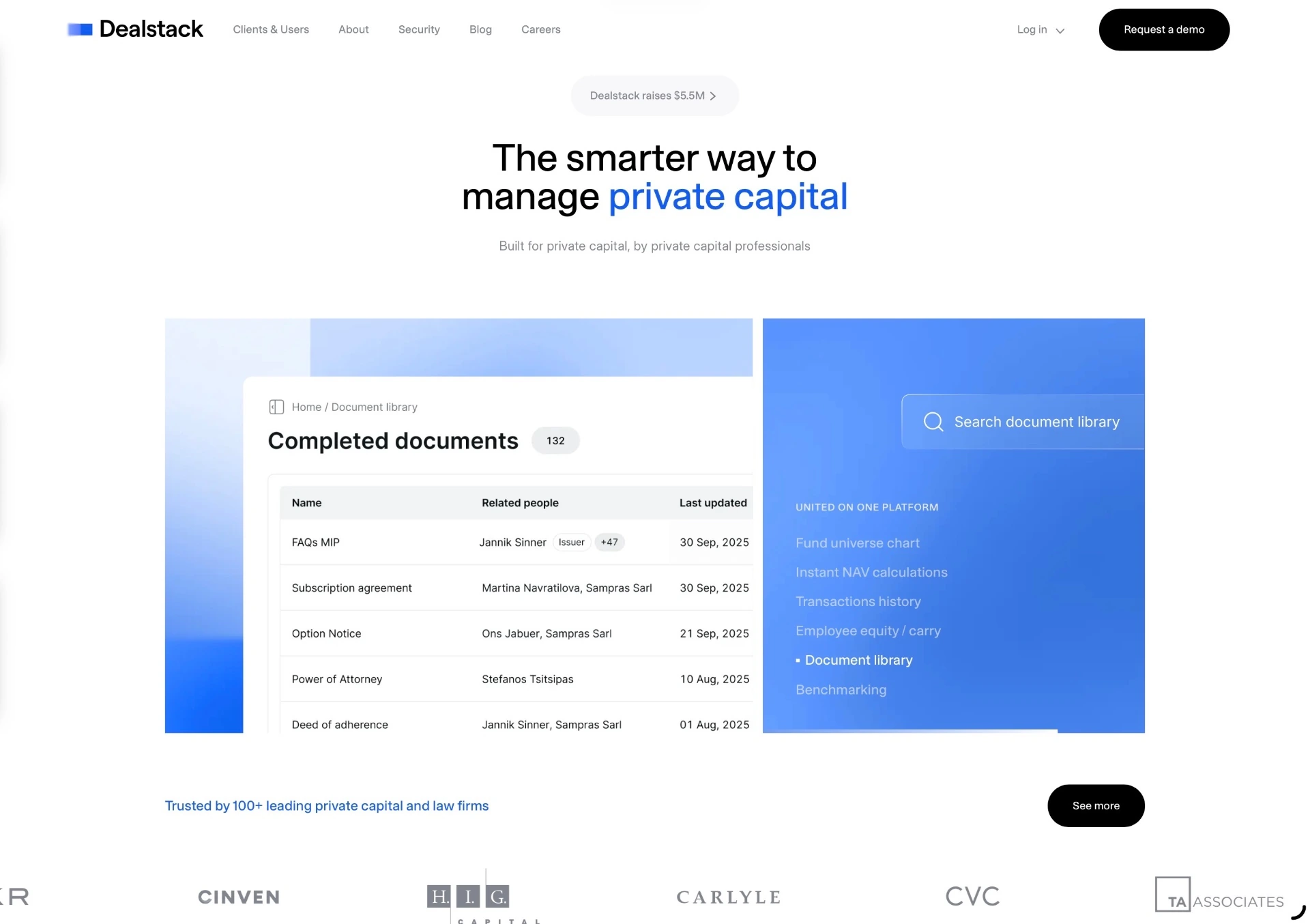
DealStack is a private capital infrastructure platform for GPs and LPs managing committed capital across global funds. I’m the designer behind the software at its core.
It is used and piloted by six of the world's top-10 private-capital firms, managing more than $2.6T in assets. The platform serves four groups of people: legal and compliance, finance and operations, fund managers and general partners, and investment analysts.
The product spans five connected modules: managed investment programmes, cap table, waterfall, document signing and enterprise auth. I am the only product designer, and I design across all five. One principle sits behind all of them: enhance, don’t replace. The bar is Excel familiarity, only 100 times better.
Challenge
Manual entry is fragile: principals and associates spend hours reconciling ownership data across spreadsheets.
Compliance leaves no room for error: signatures, cap tables and waterfalls have to be exactly right, every time.
The interface has to be the one place people trust for ownership structures.
Internally, information architecture was lacking, the design system was in transition and responsive design was missing, so every decision had to ship value and pay down design debt at the same time.
Discovery
I interviewed 14 representatives who are in constant contact with fund admins, LPs and operations leads across three time zones, and watched users work in the product over multiple sessions to see the manual close for myself. That surfaced seven high-friction steps, which became the first automation targets.
One associate told us, “I desperately needed this tool 10 years ago.” People wanted transparency and speed more than they wanted features.
Private-market data is private and messy. So instead of just building a tool, we built the foundation underneath it: a clear model of who owns what and how the legal and financial relationships connect, laid out so people can check it at a glance.
Approach
Views for each transaction type — Retired the one-table-fits-all transaction pattern for filtered, workflow-driven views.
Signing in one action — Rebuilt the Signers Panel in Document Signing, collapsing a confusing two-step claim-then-sign flow into one action.
Configurable next steps — Let deal managers compose investor onboarding themselves (standard, PDF upload or a custom two-to-five-step flow) without engineering.
A self-service investor profile — Shipped a profile that investors manage themselves, which cut inbound support load.
Craft
Cut close-cycle admin by 95% — Designed the waterfall, cap table and document signing compliance modules end to end, alongside managed investment programmes and enterprise auth, making the data-model trade-offs with engineering.
Tested before launch — Weekly prototype tests and critiques with six prospect funds shaped the v1 onboarding pattern that shipped at general availability.
Prototyped in code — Built the waterfall and cap table modules as React prototypes to review with stakeholders before engineering started, using Claude to prototype quickly and to build internal tools. It shortened spec-to-ship time.
Supported a $5.5M seed round — Redesigned the corporate site and prospect onboarding flow that supported the round.
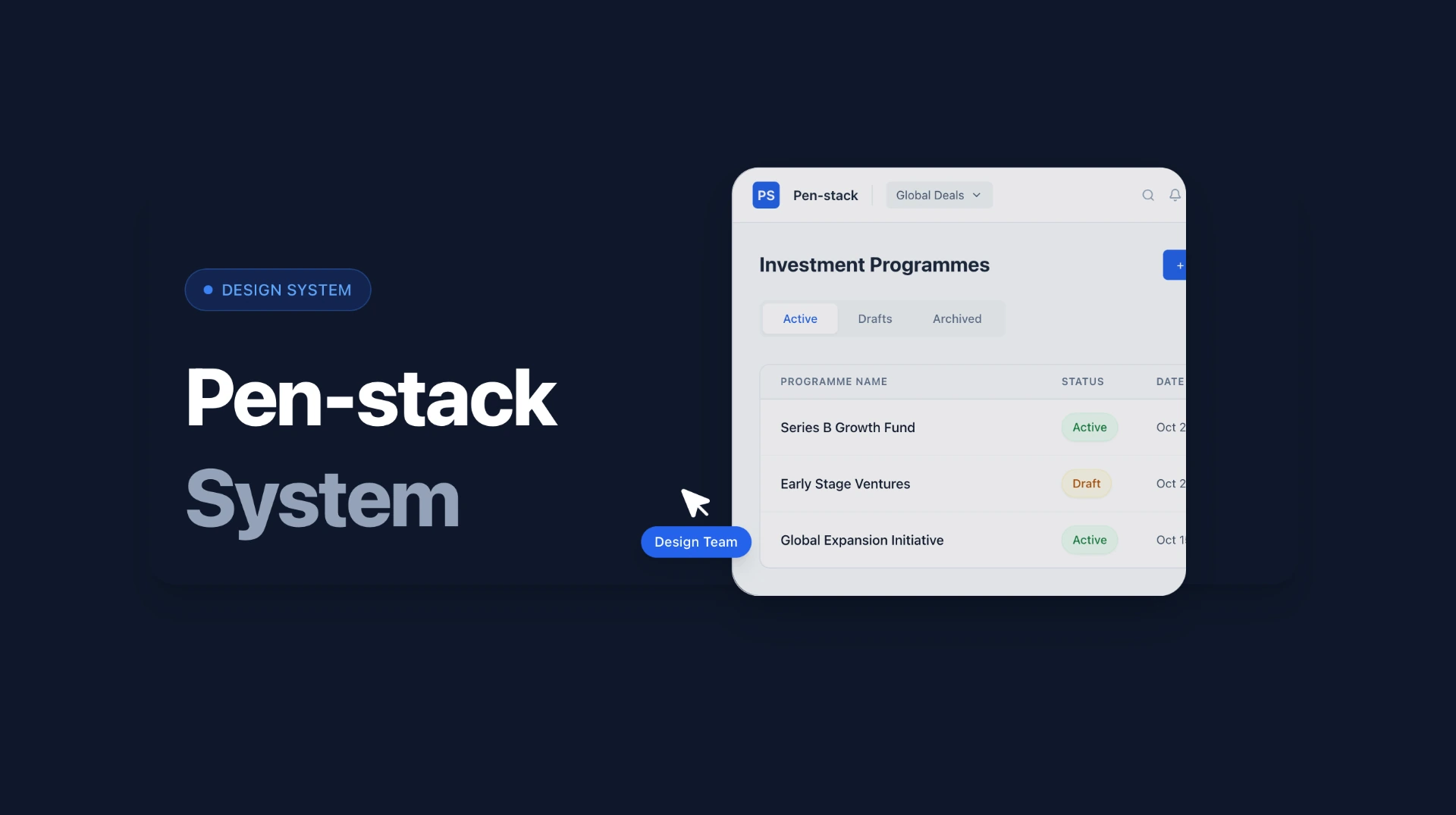
A living design system — It ties the five modules together. Components were designed against real data states and shipped in Figma and code at the same time, with Storybook as the source of truth for engineers.
Primitives that made it consistent — A canonical 3/6/3 document-viewer shell for signing, a token-driven typography handoff on Mantine v6 where engineers reference Figma variant names in code, and a system-wide pass that corrected 324 off-scale 13px text instances to 14px body, enforcing hierarchy through weight and colour.
Waterfalls, onboarding and compliance — A waterfall interface that gives the same answer every time and replaces weeks of manual calculation, and a self-service onboarding flow built to meet ISO 27001 and SOC 2 from day one.
Result
Replacing spreadsheet-driven closes with predictable workflows took the manual effort out of the process and gave analysts their audit time back. A self-service investor profile cut inbound support tickets, and token-based handoff shortened the design-to-engineering cycle.
Impact
95% — Less administrative effort on close cycles
9.1× — Faster audits, about 23 days saved per analyst each year
6 of 10 — Of the world's top private-capital firms use or pilot the platform
$5.5M — Seed round supported by the new site and onboarding
Reflection
In B2B fintech, trust is the primary UI. A senior designer has to understand the legal and financial plumbing to build something that is both useful and a pleasure to use. Through every decision, the goal was to make things easier on people who already carry a lot of responsibility.
Tools
Figma
React
Design Tokens
Storybook
Mantine v6
Claude
How it came together
How the fund close changed
Listened to the people closest to users — 14 interviews with the representatives who speak with fund admins, LPs and operations leads every day.
Watched them work — Observation sessions in the product showed seven steps that were slow, error-prone, or both.
Fixed the worst first — Those seven became the first things we automated.
Designed the modules — Waterfall, cap table and document signing, built around real fund data.
Tested every week — Prototypes went in front of six prospect funds before launch.
Launched onboarding — The first version shipped at general availability.
I’m , a Senior Product Designer and Design Engineer. Ten years across fintech, healthtech, commerce and logistics, from user research to production code.
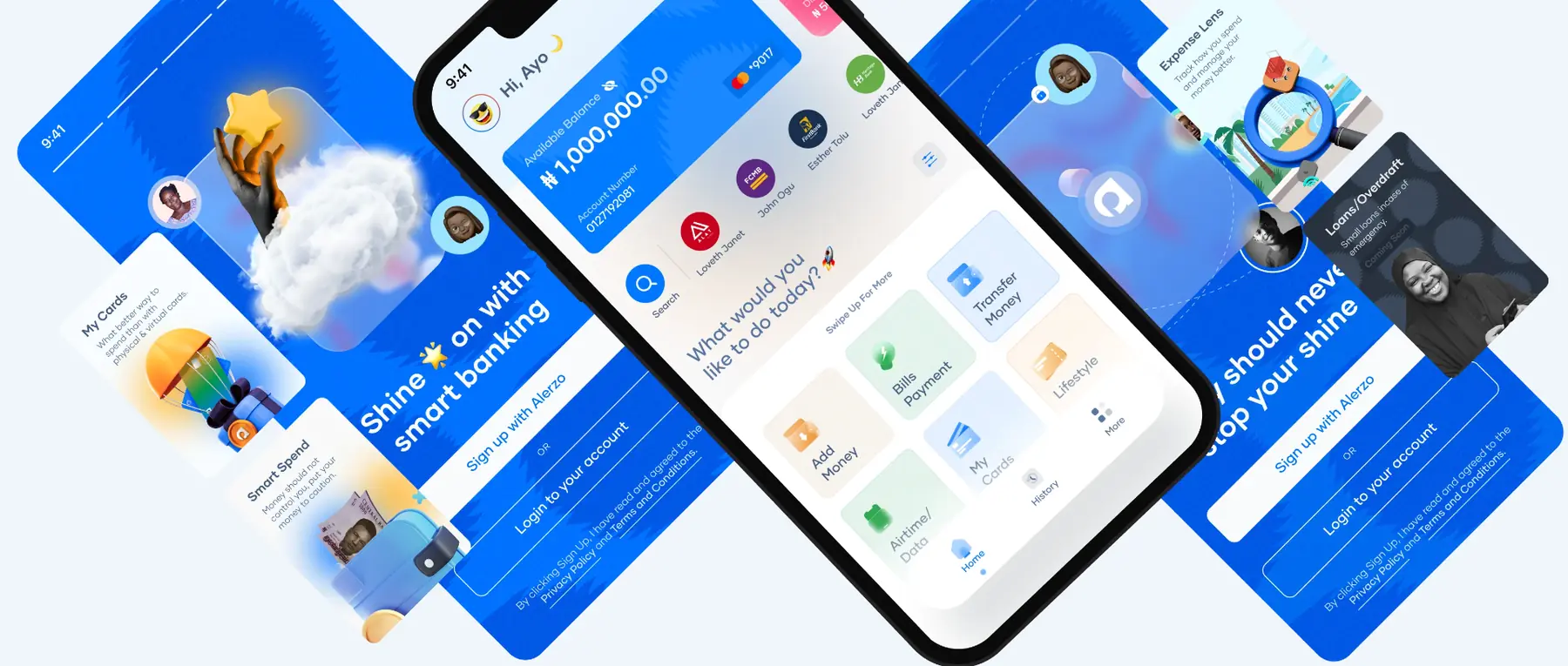
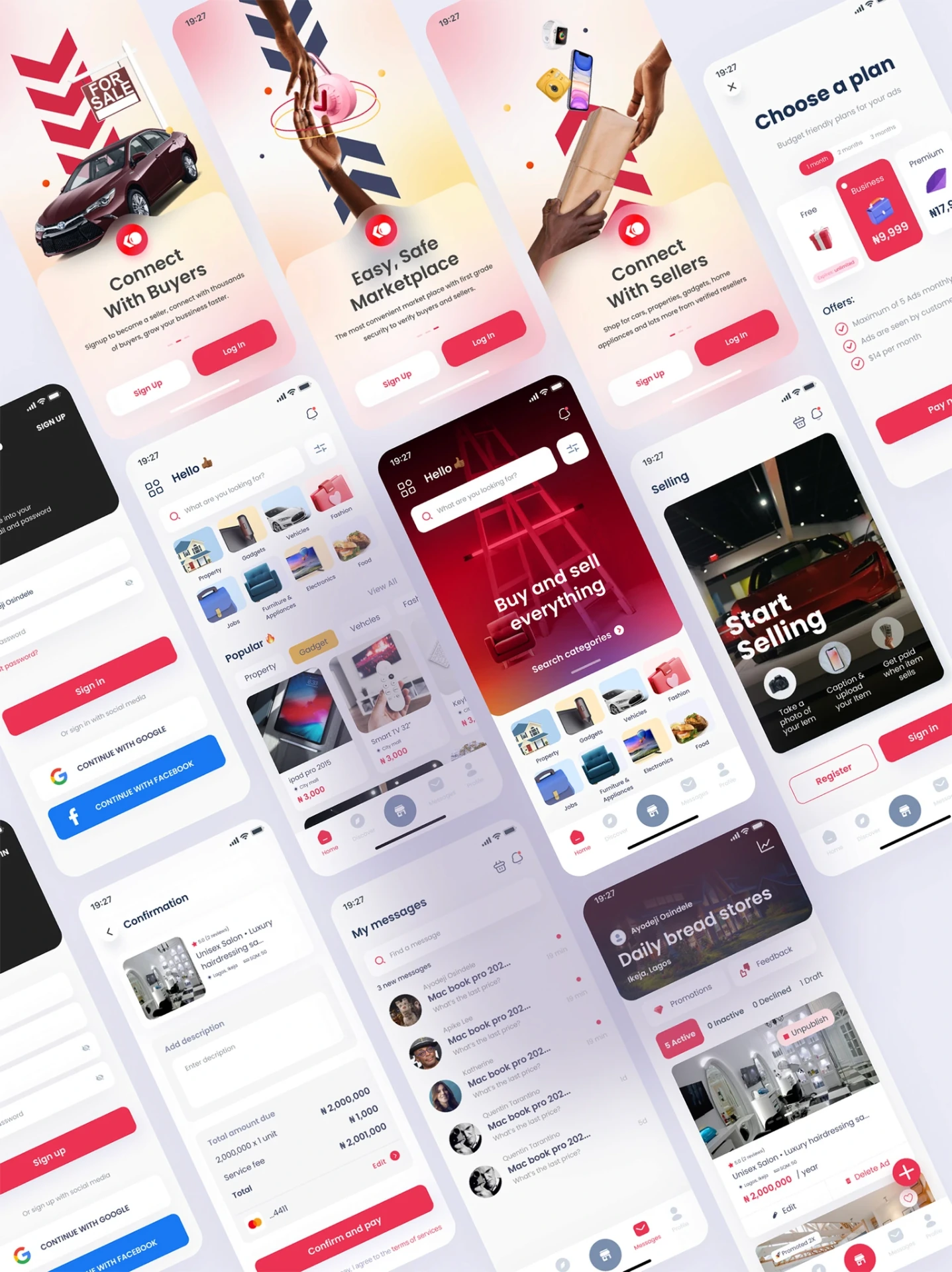
I studied graphic design, led a product design team at Alerzo, and now design and build private capital software at DealStack.
My best ideas come from where products are actually used: market stalls in Lagos and Ibadan, a fund administrator’s spreadsheets, a bank’s support queue. I turn what I find there into clear, calm systems.
Then I help build them. At DealStack I coded about 90% of our design system in React, so what ships is what was designed.
User research
Interviews, field studies, usability and tree testing. I learn from what people do, not only what they say, and turn it into product decisions.
User interviews · Usability testing · Field research · Journey mapping · Analytics
Product design and systems
End-to-end product design for complex B2B and fintech software: clear flows, sound information architecture and design systems that scale.
Interaction design · Information architecture · Design systems · Prototyping · Accessibility (WCAG 2.1)
Design engineering
I prototype and build in React and TypeScript, so designs are tested against real data and what ships matches what was designed.
Recommendations from my LinkedIn profile, from a manager, a fellow designer and the marketers I’ve shipped with.
“Ayodeji’s commitment to excellence is evident in every project he undertakes. He consistently delivers high-quality designs that exceed expectations, making him an invaluable team member.”
“Working alongside Ayo was truly inspiring. His leadership in product design, coupled with his ability to bridge design and engineering, elevates the entire team’s output.”
AAAbdul-Lateef AkinyemiSenior Product Designer
“Ayodeji is an exceptional team player who brings creativity and strategic thinking to every collaboration. His ability to translate complex problems into elegant solutions is remarkable.”
“Ayo is a creative mind who consistently pushes boundaries. His design work is not just visually stunning but strategically sound, always keeping the end user in focus.”
POPromise OsigweMarketing Communications
Beyond the day job.
Mentoring, speaking, and a few companies and products of my own.
Speaking
Tech Rise Africa, to 1,000 people. DSGN Discussions, to 400+. On design leadership, product systems and creative practice.
Companies I’ve founded, and products I build in my own time.
Empocreat (The EOC) builds digital products, brands and experiences with clarity and purpose. I founded it in 2016 and have directed creative strategy for 20+ brand and product projects across fintech, education, consumer tech and e-commerce.
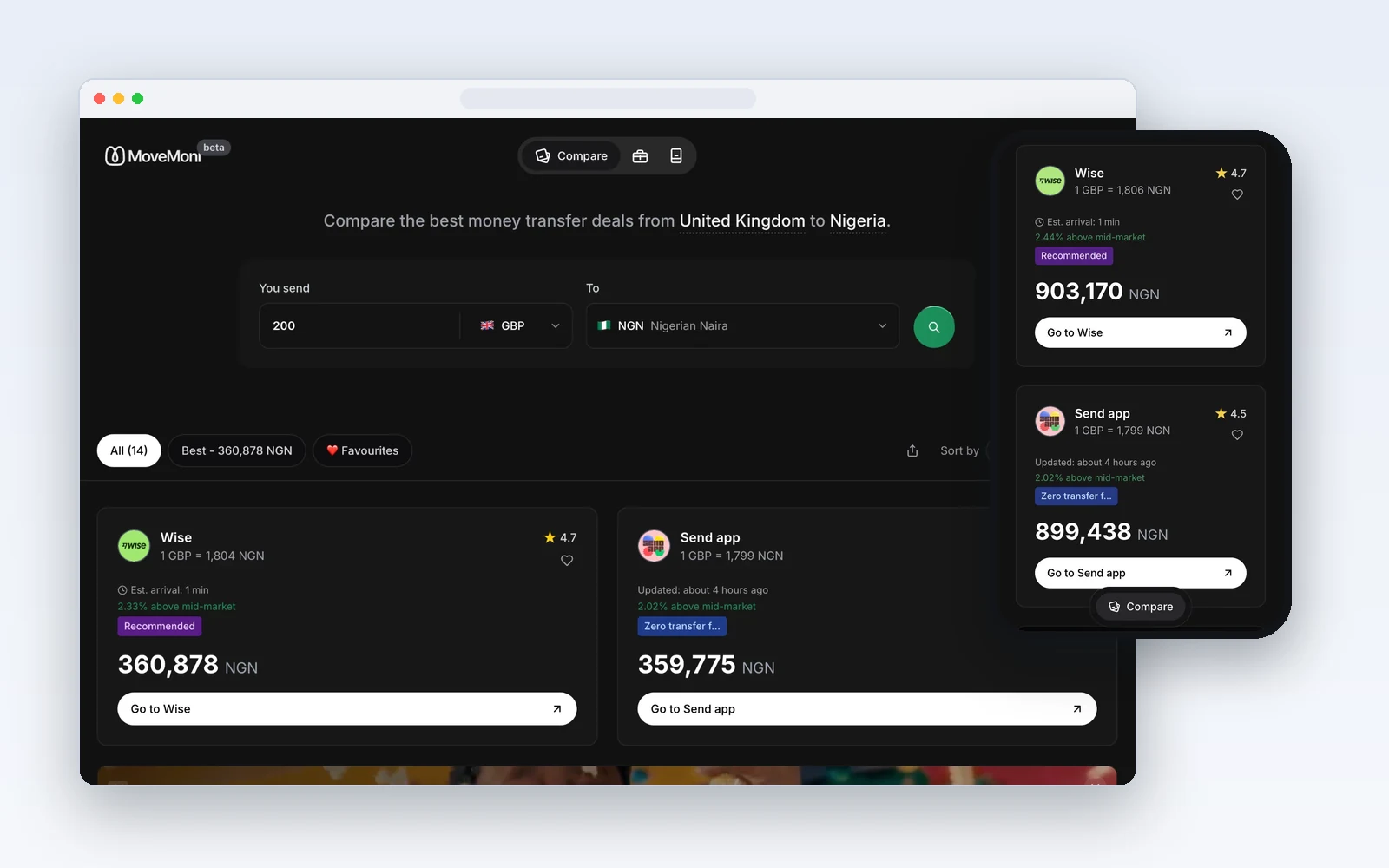
MoveMoni compares exchange rates and fees across international money-transfer providers in real time, so people can see who is cheapest for their route before they send. Users save 3–5% on average on international transfers.
Clariti is a personal finance companion that helps people track spending, budget smarter and take control of their money in one simple app. It started inside MoveMoni and now stands on its own.
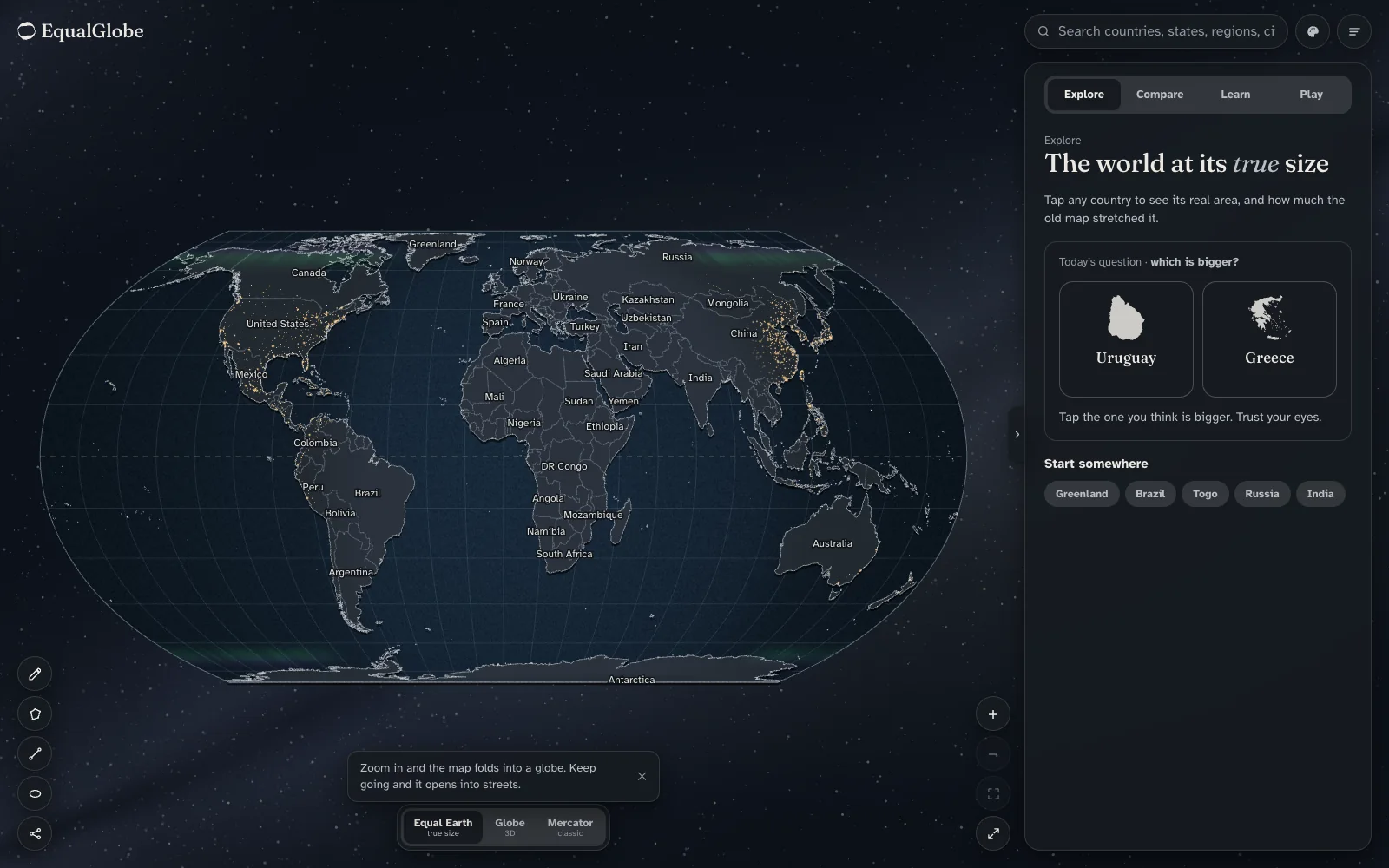
A free, educational world map built on the Equal Earth projection. It folds into a globe, shows what Mercator distorts, and lets you compare countries at their real size. Made for classrooms first, after the UN General Assembly voted in September 2026 to encourage equal-area maps.
Cleap turns a product’s code, database, infrastructure and integrations into one live, zoomable map, so people who build products without reading code can still see how everything fits together.
An open benchmark for one question: given a piece of code, how good is a plain-English description of it? Labels are scored on accuracy, specificity and whether someone who can’t read code would actually understand them. It grew out of Cleap and is at the scaffold stage: a seed set of samples and the scoring pipeline, with real model runs still to come.
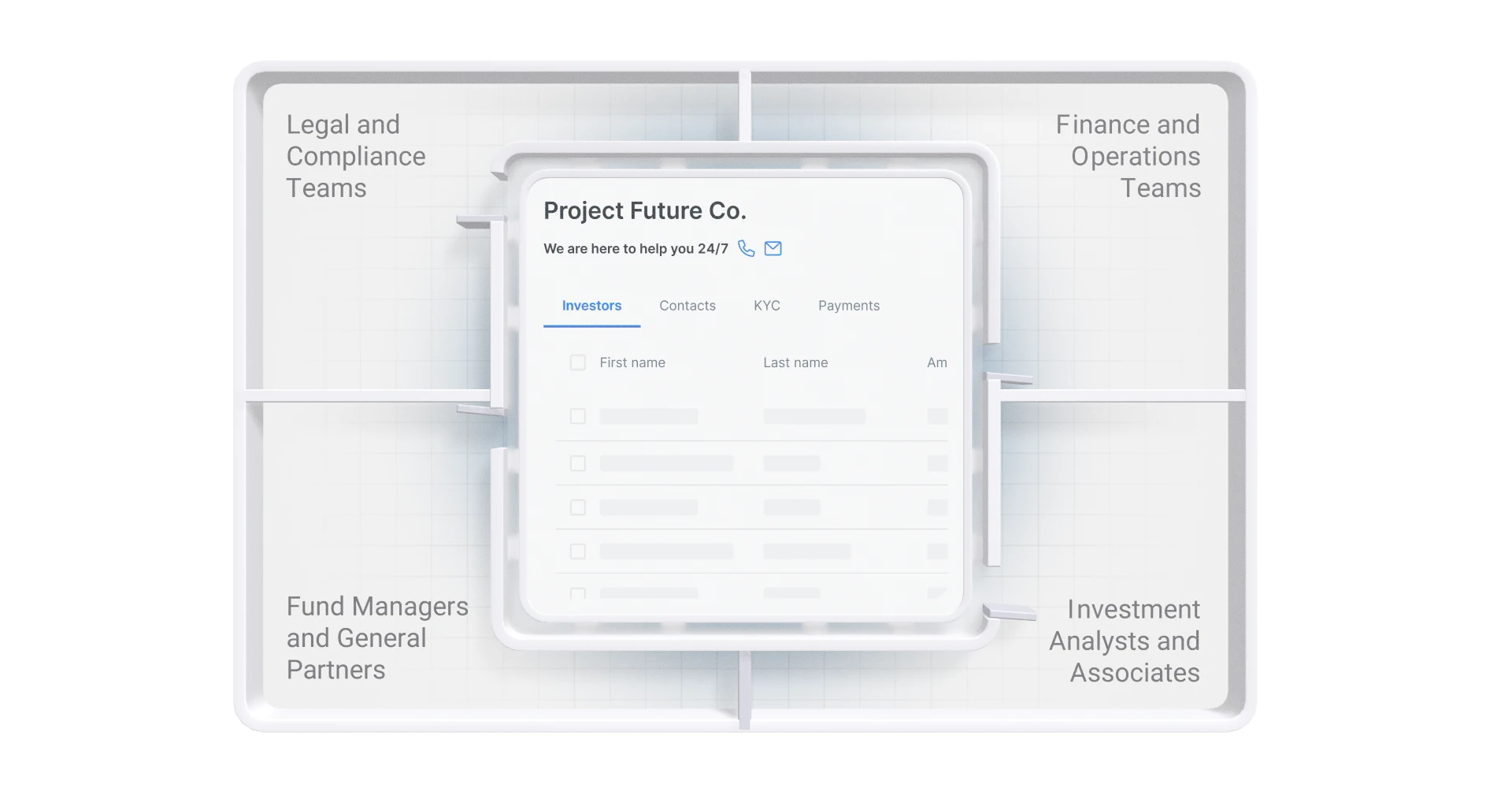 Four personas, one platform